How to Start a Walking Group in Your Neighbourhood
Dublin's pavements are already busy — here's how to turn a solo stroll into a community fixture that actually sticks.
Dublin's pavements are already busy — here's how to turn a solo stroll into a community fixture that actually sticks.
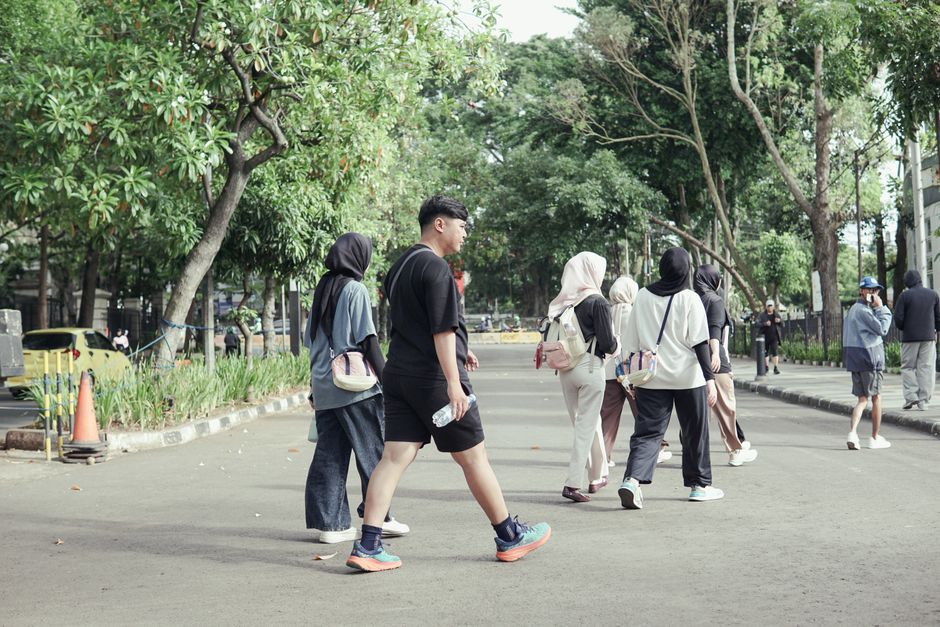
More than 60 percent of Irish adults say they want to exercise more, yet fewer than half meet the Health Service Executive's recommended 150 minutes of moderate activity per week. The gap between intention and action is well documented. What research consistently shows closes that gap is accountability — specifically, the kind that comes from knowing someone is waiting for you at the corner of Clontarf Road at 7:30 on a Tuesday morning.
Walking groups have surged across Dublin over the past two years, driven partly by post-pandemic appetite for outdoor socialising and partly by the simple reality that gym memberships in the city now average €55 to €80 per month. A walking group costs nothing to join and, if you set one up yourself, almost nothing to run. The harder part isn't the logistics. It's getting the first five people out the door.
The most durable walking groups in Dublin began with a WhatsApp message, not a committee. Parkrun Ireland, which hosts free 5km events every Saturday morning at venues including Marlay Park in Rathfarnham and the Phoenix Park, is a useful model: fixed time, fixed location, no registration fee, no pressure on pace. Applying that same logic to a neighbourhood walk removes most of the friction for potential members.
Pick a route first, then a time. In Ranelagh or Rathmines, a loop through the Grand Canal greenway and back via Portobello covers roughly 4km and takes under an hour at a comfortable pace — manageable for someone returning to exercise after months away from it. In Drumcondra or Glasnevin, the National Botanic Gardens on Glasnevin Road opens at 9am year-round and offers a flat, sheltered circuit that works in February as well as July. Having a destination, even a modest one, gives the walk a shape that a vague 'let's head out' doesn't.
Timing matters more than most organisers expect. Weekend mornings between 8am and 10am consistently draw the largest turnout for casual fitness groups, according to data collected by Sport Ireland in its 2024 Physical Activity Monitor. Weekday evenings after 6pm work for commuter-heavy neighbourhoods like Smithfield or the Docklands, where residents tend to be home by then but not yet settled in for the night.
The first walk is easy. Week three is where most groups quietly dissolve. A few practical measures reduce the drop-off. Keep the group size between eight and fifteen people — large enough that a few absences don't kill the atmosphere, small enough that everyone knows who turned up. Set a consistent meeting point rather than rotating it; somewhere obvious and publicly recognisable works best, a named landmark rather than a house number. The Bram Stoker statue on North Earl Street or the Fairview Park entrance on Fairview Strand are the kind of fixed, familiar spots that new members can find without a map pin.
Dublin City Council's Sport and Wellbeing Partnership runs a free programme called Get Dublin Walking, which connects newly formed groups with volunteer walk leaders who have completed a one-day training course in route planning and group safety. The programme, active since 2019, has supported more than 120 groups across the city's administrative area. Registering with it gives your group public liability cover — a practical detail that matters once numbers grow above a dozen.
Promote through local channels before social media. A postcard on the noticeboard inside Dunnes Stores on Henry Street, a message to the local residents' association, a post in a neighbourhood Facebook group — these reach people who wouldn't think to search for a fitness group online but would absolutely come if a neighbour asked them directly.
The HSE recommends checking in with a GP before starting any new exercise routine, particularly for adults over 50 or those returning after an injury. For most people, a brisk neighbourhood walk needs no medical clearance — but anyone with concerns should speak to a local GP practice before their first outing. The Healthy Ireland framework, updated in 2025, lists walking groups as a tier-one community health intervention precisely because the barrier to entry is so low. The only equipment required is a pair of shoes that fit.
How does this story make you feel?
Spread the word
About this article
Published by The Daily Dublin
Daily brief
Free, in your inbox before 7am. Weekdays.
More in Wellness