Free Mental Health Services Dublin: 2026 HSE Guide
Discover free and low-cost mental health support across Dublin. Over 450,000 eligible for HSE schemes. Find counselling, therapy, and wellness services in your area.
Discover free and low-cost mental health support across Dublin. Over 450,000 eligible for HSE schemes. Find counselling, therapy, and wellness services in your area.

More than 450,000 people in the Greater Dublin Area are now eligible for free or subsidised mental health and wellness services under schemes expanded in the HSE's 2026 National Service Plan, yet take-up rates remain stubbornly low. Waiting lists at overstretched GPs, confusion about referral routes, and the lingering stigma around asking for help all contribute. The result: thousands of Dubliners who qualify for support aren't accessing it.
The timing matters. Cost-of-living pressures have squeezed household budgets hard over the past two years, making the €80-to-€120 per session price tag at private therapy clinics prohibitive for many working families. Meanwhile, research published by the Economic and Social Research Institute in March 2026 found that one in four Irish adults reported experiencing moderate or severe anxiety symptoms in the previous four weeks — a figure that has barely shifted since 2022 despite sustained investment pledges. Free services exist. The challenge is navigating them.
Jigsaw, the national youth mental health charity, operates a free drop-in hub at 23 Eustace Street in Temple Bar. No referral is needed, and sessions are open to anyone aged 12 to 25. The service runs Monday to Saturday, 10am to 5pm, and added a Wednesday evening slot in January 2026 specifically to accommodate secondary school students. For adults, Aware — which focuses on depression and bipolar disorder — runs free support groups at venues including the Capuchin Day Centre on Bow Street in Smithfield, with groups meeting every Tuesday at 7pm.
St Patrick's Mental Health Services on James's Street offers a free online self-referral assessment tool launched in February 2026, cutting what had been a frustrating multi-step GP referral process. The Pieta House crisis centre on Lucan Road, Lucan, continues to provide free one-to-one counselling for people experiencing suicidal ideation or self-harm, with a 24-hour freephone line at 116 123. For those in the north city, Northside Partnership's Community Wellbeing Programme delivers free eight-week mindfulness courses from its Coolock Lane offices, with the next cohort beginning 14 July 2026.
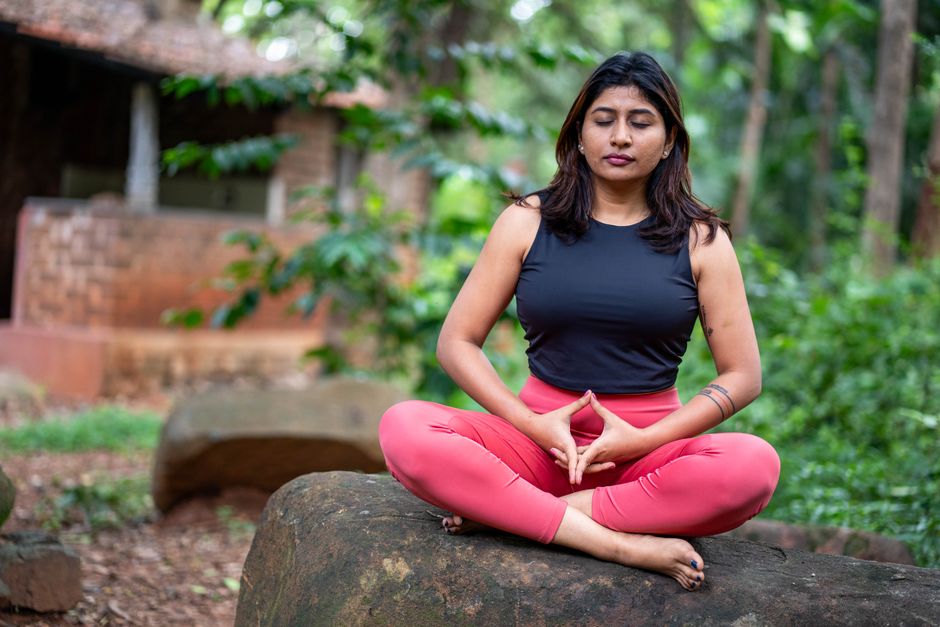
Physical wellness services are increasingly woven into the same community infrastructure. Dublin City Council's Healthy Ireland initiative currently subsidises 27 parks-based exercise programmes across the city, including Saturday morning yoga in Herbert Park, Ballsbridge, and weekday walking groups departing from Fairview Park at 8am. Participation is free, though some programmes ask for a €2 voluntary contribution toward equipment costs.
The Primary Care Reimbursement Service expanded its counselling in primary care scheme in April 2026, raising the number of subsidised sessions available to medical card holders from eight to twelve per calendar year. That change is significant: a full twelve-session course at a private therapist would cost between €960 and €1,440, meaning card holders now have access to support worth over €1,000 at no personal cost. Roughly 580,000 people in Dublin and the surrounding commuter counties hold medical cards, according to Department of Health figures from May 2026, though many are unaware the counselling benefit was extended.
GPs at practices including Inchicore Medical Centre on Emmet Road and Clondalkin Primary Care Centre on Nangor Road can refer patients directly into the scheme. If your GP is unfamiliar with the updated entitlements, you can download the referral guidance directly from hse.ie and bring it to your appointment — a practical step that a number of patient advocacy groups, including Mental Health Reform, have publicly encouraged since the April changes came into effect.
The broader picture points toward a city where the infrastructure for low-cost wellness support is genuinely expanding, but access depends heavily on knowing what questions to ask. The Samaritans Ireland helpline — 116 123, free, 24 hours — remains the single fastest entry point if you are struggling and unsure where to begin. For everything else, the HSE's YourMentalHealth.ie portal, updated in June 2026, now includes a postcode-based service finder that maps the nearest free and subsidised options within a five-kilometre radius of any Dublin address. Start there.
How does this story make you feel?
Spread the word
About this article
Published by The Daily Dublin
Daily brief
Free, in your inbox before 7am. Weekdays.
More in Wellness