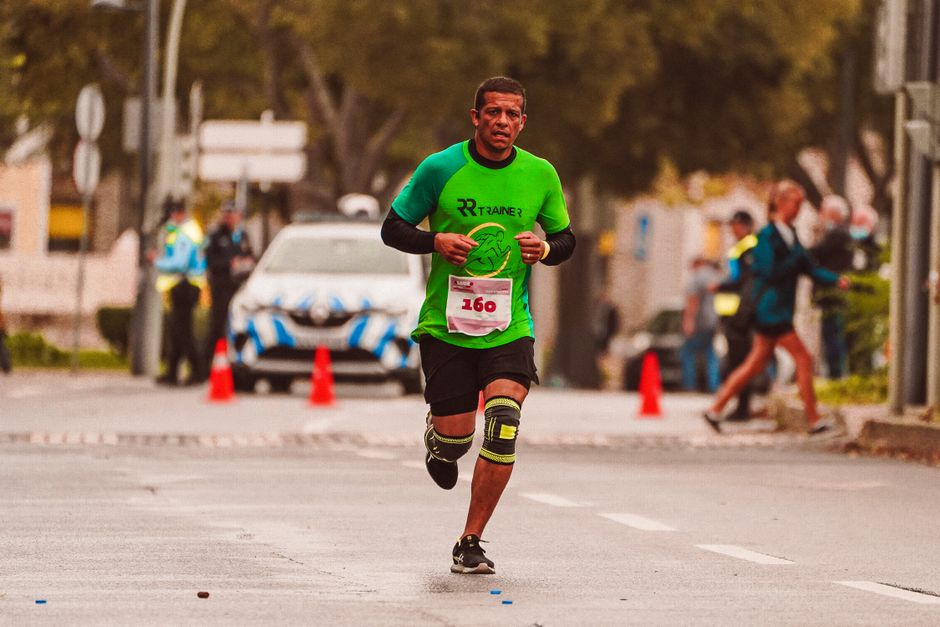
More than 25,000 runners have already secured places in the 2026 Dublin Marathon, which takes place on Sunday, October 25th — and organisers at Dublin Marathon Ltd say the ballot closed faster this year than at any point in the event's 46-year history. The standard entry fee rose to €95 in January, a 12 percent jump on 2025, and it still didn't slow demand.
That number matters because the marathon isn't just a race. It functions as a rough annual census of how seriously Dubliners are taking structured physical activity. When entries spike even as costs rise, it suggests something deeper than a post-pandemic fitness bump — it points to running becoming embedded in the city's weekly routine in a way that it simply wasn't a decade ago.
A route that now cuts through the Liberties
The 2026 course carries one meaningful change from last year. After negotiations with Dublin City Council's traffic management unit, the route now takes runners along Cork Street through the Liberties — replacing a stretch that had looped back through Dolphin's Barn — before rejoining the traditional path at South Circular Road. The adjustment shaves roughly 400 metres of doubled-back tarmac and gives the Liberties, one of the city's oldest neighbourhoods, its first sustained stretch of marathon route in 11 years.
The finish line stays on Merrion Square, which has anchored the race's final kilometre since 2012. Customary water stations remain at Baggot Street Bridge, Clonskeagh Road and the long drag up to Roebuck Road around the 30-kilometre mark — historically where the field splinters.
Training infrastructure has grown to match the demand. Parkrun Ireland, which operates free 5km events every Saturday morning, now runs 47 events across the Republic, including the long-established fixture in Phoenix Park that regularly draws over 800 participants. That weekly ritual has quietly become a feeder system for the marathon: a 2024 Sport Ireland survey found that 38 percent of first-time marathon entrants nationally cited a parkrun event as the point where they moved from casual jogging to structured training.
What the numbers actually show
Sport Ireland's most recent Active Ireland data, published in March 2026, recorded that 54 percent of Dublin adults report exercising at least twice a week — up from 46 percent in 2019. Running and jogging account for the largest share of that activity, ahead of cycling and gym attendance for the first time since the survey began tracking disaggregated data in 2015.
The Dublin Road Runners Club, based in Clontarf, has seen its membership grow from roughly 600 to just over 1,100 since 2022. The club runs structured marathon preparation programmes beginning each August, using a 16-week schedule built around Tuesday track sessions at Morton Stadium in Santry and long Sunday runs that typically stage out from Dollymount Strand. Places in the 2026 programme, priced at €180 for club members and €240 for non-members, filled within 48 hours of opening in May.
For those still chasing a spot in October's race, charity entries remain available through over 60 partner organisations, with fundraising minimums typically set between €500 and €750 depending on the charity. Several larger charities, including the Irish Cancer Society and Aware, still had places as of this week. Deferred entries from runners who registered last year and withdrew due to injury can be reactivated through the official Dublin Marathon portal until July 31st.
Practical preparation advice from coaches affiliated with Athletics Ireland consistently emphasises the same point: begin the 16-week block no later than mid-July for an October race. For a city that appears to have made running part of its identity, the hard part for most 2026 entrants isn't finding motivation — it's not starting too fast in the first week of training, or on the day itself, coming off the line on Fitzwilliam Street Upper with 42 kilometres still ahead of them.