The Rent-Vesting Strategy Explained for Dublin’s Housing Market
As homeownership drifts further from reach for many Dubliners, some are investing elsewhere while renting in the city—here’s how rent-vesting works, and who is making it pay.
As homeownership drifts further from reach for many Dubliners, some are investing elsewhere while renting in the city—here’s how rent-vesting works, and who is making it pay.
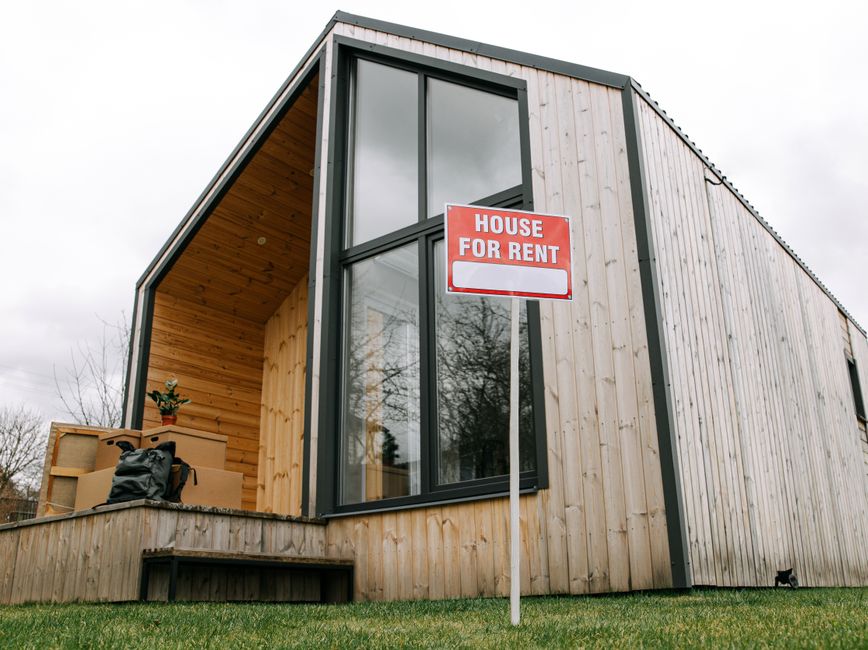
With the average cost of a home in Dublin city now hovering above €500,000, a growing wave of would-be homeowners are flipping the script and turning to rent-vesting—opting to rent where they want to live, while buying property somewhere more affordable. This alternative path to the property ladder is gaining traction among young professionals and dual-income households who feel priced out of places like Ranelagh or Grand Canal Dock but are determined to build equity elsewhere.
The strategy is gathering momentum as a practical response to Dublin’s relentless price growth. Even as salary increases fail to keep pace with housing costs, rental demand and prices in commuter towns are also climbing. With the government’s Help to Buy and First Home schemes focused mainly on first-time buyers, rental tenants in Dublin face a stark affordability divide. The question of whether to continue renting or to buy—somewhere, anywhere—has rarely been sharper.
The contrast is particularly pronounced in neighbourhoods like Drumcondra and Phibsborough, where three-bed semis regularly top €680,000 on the open market, according to current Sherry FitzGerald listings. Meanwhile, the monthly rent for a one-bedroom apartment on South Circular Road is €2,100, according to Daft.ie’s June figures. For many, the maths simply don’t add up. Instead, rent-vestors are snapping up homes in Louth, Meath, or even as far as Portlaoise, capitalising on far lower entry prices and doubling as landlords to offset their own rent elsewhere.
One such recent buyer, who purchased a two-bedroom apartment near Maynooth for €285,000 through REA Grimes in May, told The Daily Dublin she was able to put down the required 10% deposit after several years of renting in Smithfield. She now lets the apartment for €1,350 per month—more than covering mortgage repayments and service charges—while continuing to rent a shared house in Stoneybatter.
Crunching the numbers: In May 2026, the average Dublin city property sold for €512,900, per MyHome.ie, up 6.7% year-on-year. Typical net household income for city renters, meanwhile, stands at €60,000-€70,000, far short of what would be needed for a 20% deposit plus stamp duty. Monthly rents for city-centre properties have now overtaken monthly mortgage payments for equivalent homes in Navan, Thurles, or Mullingar by as much as €500 per month. The Central Bank’s latest mortgage approval data shows nearly 19% of first-time buyer mortgages issued in Q2 2026 were for properties outside the Dublin commuter belt, up from 11% pre-pandemic.
That shift isn’t just about price. Dublin’s continued squeeze on available rental stock has made long-term tenancies less secure, driving more tenants to consider unconventional routes to ownership—however roundabout.
"We’re seeing tech workers renting around the Docklands but picking up starter homes in places like Drogheda or Carrick-on-Shannon, renting them out locally to cover the mortgage, and planning to sell or move in down the line," said a senior finance consultant from the city, speaking anonymously due to employer restrictions.
Industry observers warn that rent-vesting comes with risks: managing tenants, geographic distance, and possible gaps in rental income can all bite. But for Dubliners priced out of Merrion Square or the Liberties, the strategy offers a foothold that pure saving cannot match.
For first-timers looking to try rent-vesting, local brokers such as DNG, Sherry FitzGerald, and REA urge would-be landlords to scrutinise rental yield, property management costs, and loan conditions. It’s crucial to ensure the rent from the investment property reliably covers the mortgage—and, critically under Irish tax rules, to understand the implications of buying as an investor rather than a resident.
With another interest rate hike mooted by the ECB in September and no sign of city-centre affordability improving by year-end, creative solutions like rent-vesting may become less an outlier and more the new normal for Dublin’s locked-out homebuyers.
How does this story make you feel?
Spread the word
About this article
Published by The Daily Dublin
Daily brief
Free, in your inbox before 7am. Weekdays.
More in Property