Buying Overtakes Renting in Dublin’s Outer Suburbs: Where the Switch Makes Financial Sense
New figures reveal key Dublin areas where mortgage repayments now undercut monthly rents, reversing a decade-long trend.
New figures reveal key Dublin areas where mortgage repayments now undercut monthly rents, reversing a decade-long trend.
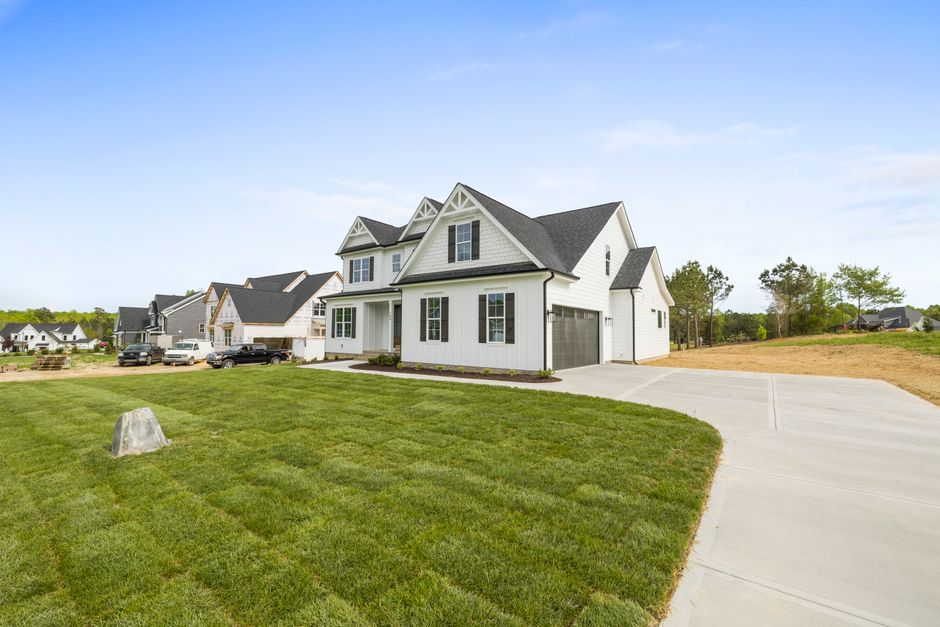
A fresh analysis of Dublin’s property market finds that in several outer suburbs, purchasing a home is now cheaper on a monthly basis than renting the same property type—a striking shift after years of runaway rental growth.
This development comes as surging rents continue to outpace wage growth and new supply remains sluggish. For many renters, particularly younger professionals and families, the decision to purchase rather than lease may finally be tilting in their favour. The affordability crunch renters have faced over the last decade has left many hunting for alternatives as average rents top €2,250 per month across the Dublin area, according to Daft.ie’s June 2026 Rental Price Report.
Local estate agents are reporting a marked uptick in first-time buyer activity in suburbs such as Lucan and Clongriffin, where the gap between typical rents and average mortgage repayments has swung decisively in favour of ownership. In Lucan, monthly rents for a standard three-bed semi-detached house now average €2,180. Meanwhile, the same property, purchased at €395,000 with a 10% deposit and a 30-year fixed mortgage at 3.95%, comes in at roughly €1,685 per month, including insurance and taxes. Clongriffin, in the city’s north, shows a similar pattern: with rents at €2,050 for a two-bed apartment compared to mortgage payments of about €1,550 for a €340,000 sale price.
Local mortgage brokers such as The Mortgage Clinic in Tallaght point to increasing demand for approval in principle letters, with mid-income buyers particularly focused on these suburbs. According to the most recent data from the Banking and Payments Federation Ireland (BPFI), May 2026 saw a 14% jump in first-time buyer loan drawdowns in Dublin’s commuter belt.
Daft.ie’s June rental report showed that, city-wide, rents have risen 8.2% year-on-year, but outer suburbs like Lucan and Clongriffin have seen increases closer to 12% since last summer. In contrast, housing prices in these areas have stabilised or even dipped slightly due to increased new build completions under the government’s Affordable Housing Fund. Dublin City Council, meanwhile, continues to see long waiting lists for social housing, adding to pressure on the private rental market and making ownership—despite rising interest rates—a more attainable, and attractive, option for some households.
A standard two-bed apartment in Clongriffin can now be purchased for just under €350,000. Factoring in a standard 90% mortgage, buyers with €35,000 down and adequate credit can see monthly costs nearly €500 below the equivalent rental price. Similar maths play out for family homes in Lucan, Palmerstown and parts of Finglas, where rents remain historically high relative to post-pandemic sales prices.
Prospective buyers should still weigh transaction expenses—including stamp duty, legal fees, and ongoing property taxes. But as rents climb and incentives for first-time buyers (such as the Help to Buy scheme and Local Authority Mortgage schemes) remain in place for 2026, the crossroad between renting and buying in Dublin’s suburbs is increasingly tilting toward purchase for those able to secure a deposit.
Analysts at Sherry FitzGerald suggest monitoring price trends closely into late summer, particularly as more completions hit the market in Adamstown and Cherrywood. For Dubliners struggling under record rents, the numbers—at least in outlying neighbourhoods—are suddenly worth a second look.
How does this story make you feel?
Spread the word
About this article
Published by The Daily Dublin
Daily brief
Free, in your inbox before 7am. Weekdays.
More in Property