Build-to-Rent in Dublin: What New Developments Offer Renters Amid Soaring Costs
As traditional routes to homeownership slip out of reach for many, Dublin's build-to-rent schemes are reshaping tenant living—at a premium.
As traditional routes to homeownership slip out of reach for many, Dublin's build-to-rent schemes are reshaping tenant living—at a premium.
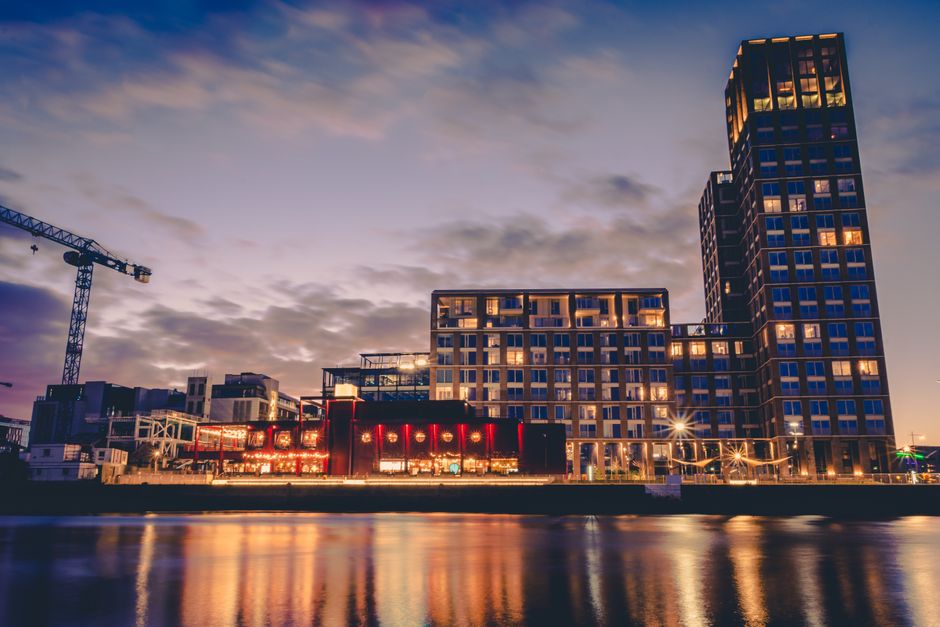
For Dubliners priced out of buying a home, the city’s growing supply of build-to-rent developments may look like a stylish alternative—with sizeable tradeoffs. As of July 2026, more than 5,000 apartments across complexes such as The Hamilton at Park West and Griffith Wood in Drumcondra are now being marketed directly to renters, offering amenities once reserved for hotels, but with monthly rents that often rival a mortgage payment.
This shift comes as Dublin’s homeownership rate among under-35s has dropped below 33%, according to the latest CSO figures. Persistent double-digit house price growth and stricter lending rules set by the Central Bank have pushed more young professionals and families towards long-term renting. The explosion of build-to-rent blocks—purpose-designed for renters rather than buyers—has redrawn expectations across the capital. Landlords from German giant Patrizia to Irish Life have pumped hundreds of millions into these projects, banking on a segment willing to pay for location, lifestyle, and predictability.
Griffith Wood, which opened 228 build-to-rent units last autumn on the old Unilever site in Drumcondra, typifies the trend. Tenants get access to a gym, residents’ lounge with co-working space, and 24-hour concierge, all set behind security gates and landscaped gardens. Across the city, The Hamilton at Park West offers rooftop terraces, parcel rooms, and even bookable event spaces—features notably absent from most traditional apartment rentals in Dublin 8 or the city centre.
But this polish comes at a price. In May, the average advertised rent for a two-bedroom build-to-rent apartment in Dublin stood at €2,730 per month, according to Daft.ie data—some 22% higher than equivalent older units in the same postcode. By contrast, the average mortgage payment on a newly purchased two-bed in Dublin 12 reached just under €2,050 in Q2 2026, per Banking and Payments Federation Ireland, though buyers generally need a €65,000 deposit upfront. Many renters are effectively paying more to avoid long-term loans, unpredictable rent hikes and the spectre of eviction notices from smaller landlords cashing out in a hot market.
For tenants, the key selling points go beyond fitness suites and smart locks. Professionalised management means fixed-term leases and centralised maintenance. But it comes with strict pet policies and little chance to personalise your living space. "Everything is looked after for you, but you’re always aware it’s not really yours," said one resident of Spencer Place, a build-to-rent complex near the Docklands. (Officials at the letting agency confirmed that all apartments are let on a multi-year basis, with average tenures just above 26 months.)
This summer, with another 1,800 build-to-rent units set for delivery in Cherrywood and Northwood by end-2026, tenants will face sharper choices. If you’re considering one of these new builds, check carefully what’s included—some charge as much as €250 extra per month for parking, and communal space rules can be strict. For singles and couples without the means (or appetite) for a hefty deposit, these complexes offer security and amenities. But for families or long-term Dubliners, buying may still offer better value—if you can get on the ladder. Watch for updates from Dublin City Council as consultation opens this autumn on new affordability measures targeting renters in large schemes on the southside.
How does this story make you feel?
Spread the word
About this article
Published by The Daily Dublin
Daily brief
Free, in your inbox before 7am. Weekdays.
More in Property