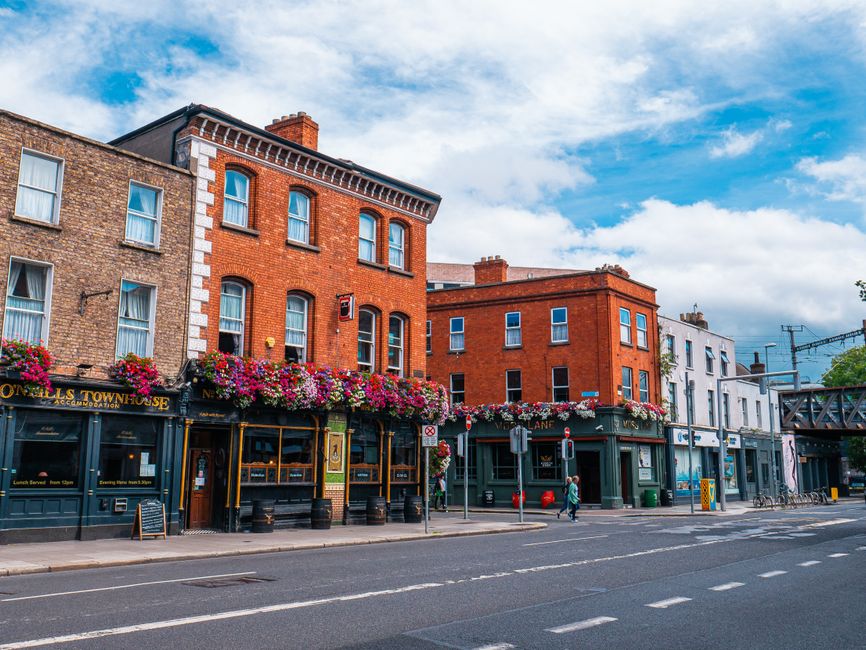
The Rent-Vesting Strategy Explained for This Market
With Dublin property prices at record highs, some first-time buyers are opting for rent-vesting: renting where they want to live, but buying elsewhere to get on the ladder.
With Dublin property prices at record highs, some first-time buyers are opting for rent-vesting: renting where they want to live, but buying elsewhere to get on the ladder.
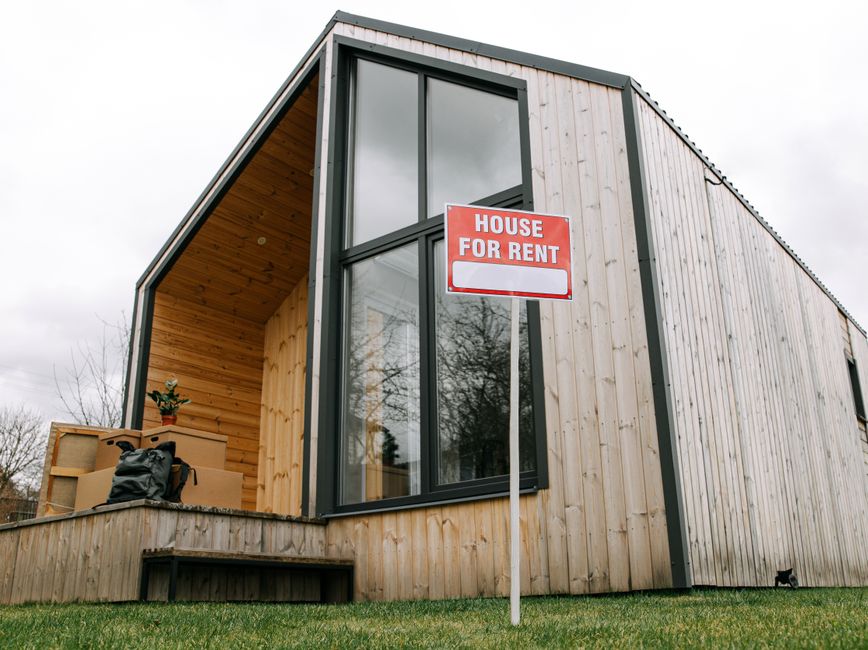
The typical first-time buyer in Dublin now faces a stark new reality: unless they’re prepared to move far from the city’s core, the dream of owning a home comes with a new set of trade-offs. Enter the so-called “rent-vesting” strategy: renting in a desirable part of the city like Ranelagh, but investing in a more affordable property elsewhere, such as Clondalkin or Ballymun, to secure a foothold on the property ladder.
Why are so many considering this approach now? A steady surge in asking prices, together with persistently high rents, has seen Dubliners rethink what home ownership can look like. According to the Central Statistics Office (CSO), average property prices across Dublin hit €495,000 in May 2026, edging many potential buyers further out from the city centre. Meanwhile, average monthly rent for a one-bedroom flat in Smithfield stands at €2,250—leaving many stuck between two tough options: spend a fortune on rent, or stretch finances for a mortgage in an area that may not match lifestyle or commute preferences.
Rent-vesting isn’t just an abstract strategy. At its core, it involves renting in a central or amenity-rich area—think South Circular Road or Grand Canal Dock—while buying a property in a suburb or commuter town where prices are lower and entry points for investors are more realistic. For those locked out of Portobello or Rathmines, a two-bedroom apartment in Blanchardstown (recently listed around €295,000) becomes not only attainable but potentially income-generating if let to tenants.
Banks and brokers in Dublin have reported growing client enquiries about this approach since the start of the year, according to figures from mortgage firm Irish Mortgage Advisors, which says rent-vesting cases have risen by over a third compared to last year. Part of the appeal lies in flexibility. Renters retain the ability to live close to jobs, social connections and city culture, while also building equity—albeit away from their primary address. The Housing Agency’s "Starter Home Pathway" pilot, launched in June in Finglas, has already seen more than 40 applicants take initial steps towards dual rent-and-buy plans.
Crunching the figures brings the trade-offs into sharp relief. According to Daft.ie’s June 2026 report, the average first-time buyer mortgage approval in Dublin stands at €325,000—well short of covering the current average sale price for even a modest house in Stoneybatter or Drumcondra. For those with deposits under €40,000, the gap is starker. By contrast, rental yields for apartments in Tallaght or Swords are approaching 5.5% annually, making them viable buy-to-let entry points for some investors. Meanwhile, the Dublin City Council’s Affordable Purchase Scheme, launched in early 2025, remains oversubscribed, with only 210 homes allocated to applicants in the past 12 months.
What’s next for would-be buyers? Mortgage advisers now routinely recommend rent-vesting to singles and couples who want to lock in capital appreciation and reduce the risk of being permanently priced out by further market jumps. However, they also caution that the strategy isn’t utopian. Would-be rent-vestors still face stamp duty, property management fees, and sometimes the headache of absentee landlord responsibilities. And as ever, the pressure on rental stock in Dublin 8, Dublin 2, and other prime postcodes keeps rents high—so balancing rental comfort against investment realities is a nuanced task.
For those set on city living but shut out of its property market, rent-vesting is fast becoming less of a workaround and more of a mainstream strategy—and it’s likely to shape the priorities of new buyers and investors through the rest of 2026.
How does this story make you feel?
Spread the word
About this article
Published by The Daily Dublin
Daily brief
Free, in your inbox before 7am. Weekdays.
More in Property