Rents in Dublin Far Outpace Regional Markets as Buyers Face Fresh Calculus
New figures highlight the price gulf between the capital and regional cities, forcing many Dubliners to choose between heating or homeownership.
New figures highlight the price gulf between the capital and regional cities, forcing many Dubliners to choose between heating or homeownership.

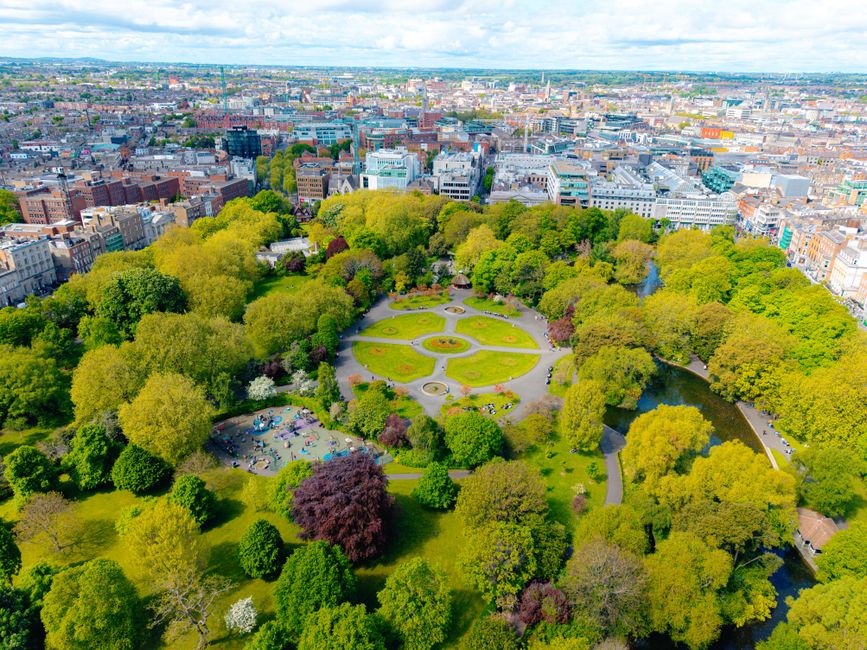
Average rents for a two-bedroom apartment in Dublin have soared to €2,276 per month, more than double the typical rate found in Galway or Limerick, according to the latest figures from Daft.ie released on Thursday. For first-time buyers and renters alike, the cost of living near St Stephen’s Green or the tech hubs off Pearse Street now requires a budget that many would-be city dwellers simply cannot stretch to meet.
This widening gap comes as the government faces mounting pressure to address both the acute housing shortage and spiralling rents in the capital. The news lands at a moment when wages are struggling to keep pace with inflation, and high-profile international events—like extreme heatwaves in France or supply shocks across Europe—are adding to the uncertainty facing city households. A recent City Council meeting flagged Dublin’s affordability crisis as a key issue threatening both social cohesion and the region’s economic momentum.
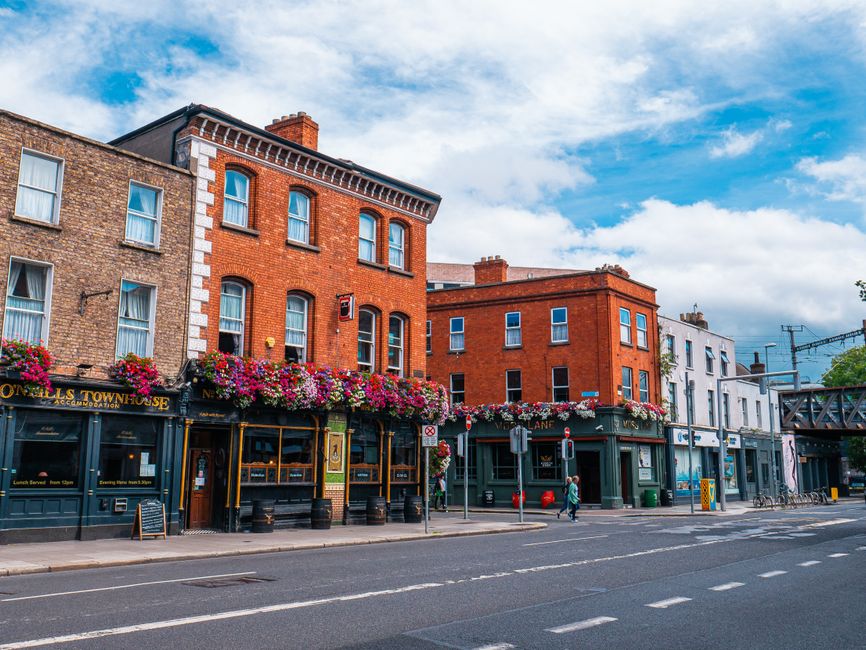
Take Smithfield, once pitched as the next great hope for urban revitalisation: monthly rents for a one-bedroom now average €2,110, according to Knight Frank’s June lettings report. Meanwhile, in Drumcondra, prospective tenants are paying upwards of €1,980 for similarly sized homes with less modern amenities. Emma Barrett of Sherry FitzGerald, one of Dublin’s largest agencies, told The Daily Dublin their ‘Let and Stay’ incentive scheme—offering rent reductions for tenants committing to twelve-month leases—barely dents demand.
Outside the M50, however, the picture shifts dramatically. In Waterford city, listings for two-bedroom apartments average €963 a month, and in Sligo, €895 is enough to secure a new-build home on Pearse Road. Factors such as local wages, number of available units, and less pressure from corporate lets drive these differences, but affordability remains the chief concern for young professionals and families priced out of Dublin’s red-hot neighbourhoods like Ranelagh and Rathmines.
The price gulf has major consequences for those weighing renting against buying. According to the Central Bank’s May 2026 mortgage tracker, monthly repayments for a €340,000 starter home in North Strand typically run €1,450 (20-year term, 4.2% fixed rate)—almost €800 less than letting a similar apartment in the same postcode. Yet the struggle to amass even a 10% deposit (€34,000 in this scenario) is pushing more Dubliners into long-term rentals, leaving ownership out of reach.
Analysts at Threshold, the national housing charity, predict the pressure will only mount through the coming year. With the supply of new homes in Dublin lagging council targets by 32% as of May, renters face little relief. Experts point to regional cities—such as Cork and Galway—where the rent-to-income ratio is under 33%, compared to over 45% in central Dublin, making relocation increasingly tempting for workers who can secure remote-friendly jobs.
For now, housing advocates recommend would-be renters exhaust local authority schemes like the Dublin City Rental Assistance Programme, while buyers should consult with mortgage advisors to compare repayment projections with their current rent—especially factoring in likely hikes. City planners say 2027 will bring a new stream of supply on old Grangegorman sites, but until then, for most Dubliners, compromise is still the only thing within budget.
How does this story make you feel?
Spread the word
About this article
Published by The Daily Dublin
Daily brief
Free, in your inbox before 7am. Weekdays.
More in Property