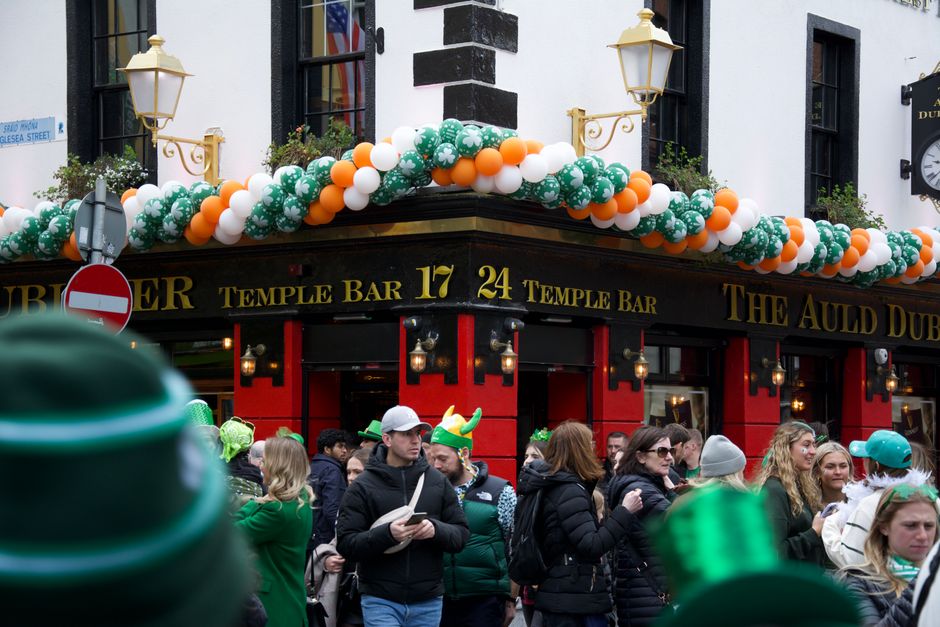
Dublin City Council's planning and communications departments are facing mounting pressure over the repeated use of duplicate, recycled and in some cases inaccurate imagery in public-facing documents, development applications and community consultation materials. The issue, which has drawn scrutiny from heritage advocates and urban design professionals in recent months, centres on whether residents can trust visual representations of proposed changes to their neighbourhoods when the photographs attached to those proposals do not accurately depict the sites in question.
The problem is not new, but it has sharpened into a live debate this summer. Several planning submissions reviewed by The Daily Dublin in connection with projects along the Liffey quays and in the Liberties area contained stock or reused aerial photographs that did not reflect current site conditions. In at least two cases, images appeared to predate significant demolition work carried out in 2024.
What the Experts Are Saying
Architects and urban planners operating in Dublin have been vocal about the practical consequences. The Irish Architecture Foundation, based on Merrion Square, has raised concerns in recent months about the visual accuracy standards applied to public consultations, particularly for large-scale residential schemes in areas like Grangegorman and the North Docklands. When imagery does not match ground conditions, they argue, community groups cannot meaningfully engage with what is actually being proposed.
Planning consultants working on applications before An Bord Pleanála point to a structural gap: there is no binding national standard requiring that photographs submitted with planning documents be taken within a defined period before submission. The result is an uneven landscape where some developers commission fresh site photography while others pull images from older files or, in a growing number of cases flagged internally, from generic databases of Dublin streetscapes. The Aughrim Street area in Stoneybatter and sections of Thomas Street in the Liberties have both appeared in documents relating to sites several kilometres away.
Dublin Civic Trust, which monitors heritage and built-environment standards across the capital, has described the situation as undermining transparency in the planning process. The organisation has previously published guidance on best practice for visual documentation in heritage-sensitive areas, but that guidance carries no statutory weight.
Council Response and What Comes Next
Dublin City Council's planning department acknowledged in a written response to a councillor's query earlier this year that it does not currently operate a centralised image-verification protocol. The council noted it relies on applicants and their agents to ensure submitted materials are accurate and representative, in line with the Planning and Development Act 2024, which introduced updated requirements for public participation but stopped short of mandating photographic currency standards.
The Department of Housing, Local Government and Heritage in Dublin 2 is understood to be examining whether secondary regulations under the 2024 Act could address the gap, though no timeline has been published. An Bord Pleanála, which handles appeals and strategic housing developments, has the power to request additional photographic evidence during oral hearings but does not routinely do so at the screening stage.
For residents and community groups, the practical advice from planning solicitors and advocacy organisations is straightforward: if a consultation document contains images that do not match the site as you know it, submit a written objection or observation noting the discrepancy during the statutory public comment period. Under current rules, that window is typically four weeks from the date a valid application is lodged with the relevant local authority.
Dublin City Council's next full council meeting, scheduled for later in July at City Hall on Dame Street, is expected to include a motion from the Green Party group calling on the chief executive to establish minimum photographic standards for planning submissions. Whether that motion advances to committee stage or stalls will offer the clearest signal yet of how seriously the city's elected officials intend to treat a problem that planners, architects and community representatives have spent the better part of a year flagging.