The Dublin summer festival season used to follow a predictable script. Big names played the RDS. Theatre happened at the Abbey and Gate. Music lovers camped out around Temple Bar. But this July, the city's events calendar is telling a different story—one where smaller neighbourhoods are muscling in on territory the city centre has dominated for decades.
The shift reflects hard economics. Venue rental costs in the Southside have climbed steadily. The RDS charges upwards of €45,000 for a three-day festival licence, according to venue operators interviewed this week. Smaller promoters and community groups are finding they can stage quality events for a fraction of that cost in spaces like Ballymun, Finglas, and Tallaght, where council support and lower overheads make the numbers work.
"We looked at Merrion Square two years ago," said one independent promoter who requested anonymity. "The licensing alone would have eaten 30 per cent of our budget. We moved to Ballymun Town Centre instead. We got better footfall and actually made money."
Where the Action Is Moving
This month serves as a case study. The Ballymun Community Festival runs July 12-14 across the shopping centre and surrounding green spaces, featuring live music, youth workshops, and food vendors. The event, now in its eighth year, has grown from a single day to a three-day marathon. The Tallaght Summer Programme, organised by South Dublin County Council, opens July 5 with cinema screenings in Tallaght Park—a free outdoor series that draws 800-1,200 people nightly according to council figures.
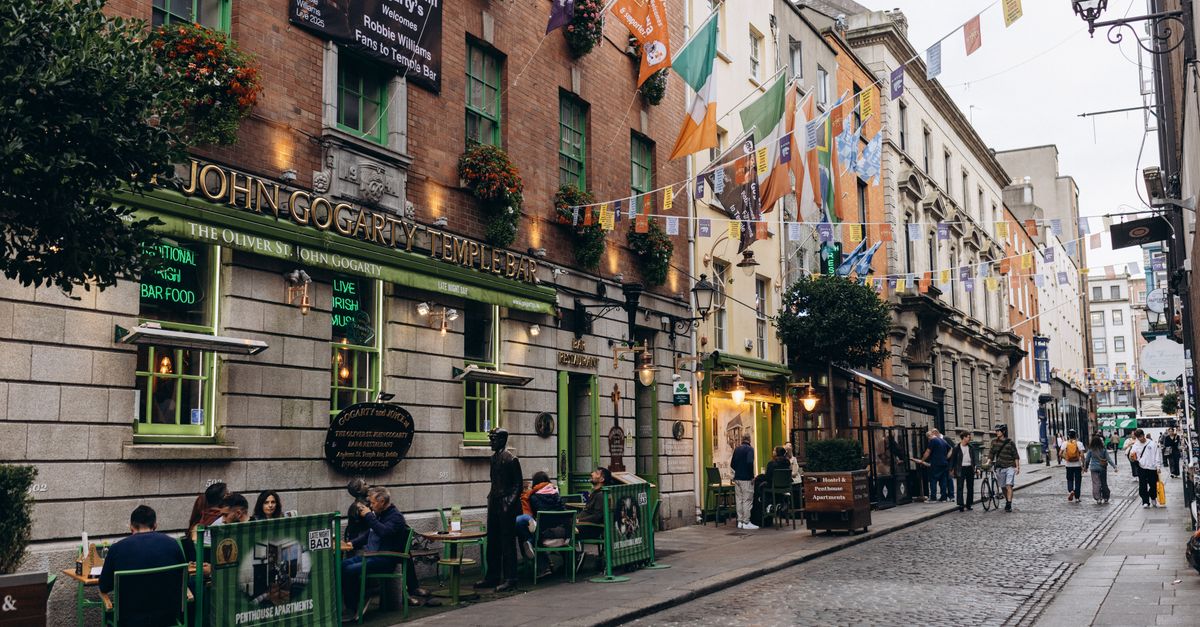
Meanwhile, Temple Bar's calendar thins considerably. The area still hosts events, but independent operators say the economics have shifted. Established venues like the Olympia Theatre and Vicar Street continue programming, but grassroots organisers are increasingly priced out.
The Finglas Creative Trail, a neighbourhood-focused initiative supported by Dublin City Council's Community Fund, has expanded its July programming significantly. Last year it ran five events across the month. This year it's hosting twelve, with street art installations, live jazz sessions, and pop-up performances across North Finglas between July 10 and 27.
Numbers Tell a Clear Story
Dublin City Council allocated €1.2 million to neighbourhood events this financial year, up from €840,000 in 2024. That investment is trickling down to areas that historically struggled to attract programming. Ballymun and Tallaght are capturing roughly 18 per cent of those funds each—a significant increase from the 9 per cent they split five years ago.
Attendance figures back the trend. Events in peripheral neighbourhoods drew 47,000 attendees across June alone, according to council tracking data. Three years ago, the same neighbourhoods attracted roughly 22,000.
The growth isn't accident. Dublin's suburbs have younger populations than the city centre. Ballymun's median age is 32, compared to 36 in Temple Bar's catchment area. Tallaght has seen young professional settlement increase 12 per cent since 2021. These demographics create demand for local cultural programming.
What's happening now is less about gentrification and more about democratisation. Events are becoming available where people actually live, rather than forcing residents into the city centre for entertainment. Admission prices tell the tale too. The Ballymun festival charges €8 per day for adult entry. Equivalent city-centre events often run €15-25.
If you're planning your July calendar, the practical move is checking South Dublin County Council's website and Dublin City Council's culture section for neighbourhood programming. Download the free Finglas events app—it launched March and already has 3,400 active users tracking local happenings. The Ballymun Town Centre website publishes its full schedule by July 5. You'll find better value, less crowding, and programming that actually reflects where Dubliners spend their time outside work hours.