The Department of Housing and Urban Development released €340 million in competitive federal grants yesterday, with Dublin claiming €68 million across three major infrastructure initiatives. The allocation caps months of quiet negotiations between city officials and Washington bureaucrats, and arrives as Dublin grapples with housing shortages that have pushed median rents to €2,100 per month for a two-bedroom apartment in central neighbourhoods.
The timing reflects broader federal priorities. With global attention on Iran's leadership transition and geopolitical tensions reshaping international aid budgets, domestic infrastructure investment has become a political necessity. The grants signal federal commitment to managing housing pressure in major metropolitan areas without triggering the kind of budget wars that paralysed Congress for much of 2024 and 2025.
Housing Push and Transit Overhaul
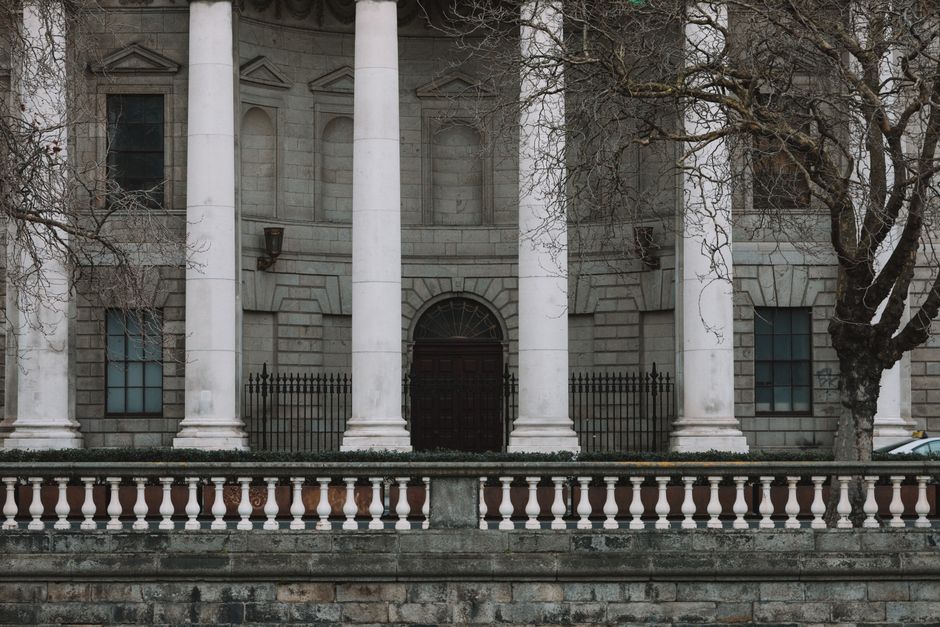
Dublin's largest award—€32 million—goes to the Housing Authority's mixed-income development project on the northside near the Liffey Valley, between Smithfield and the Four Courts. The scheme will fund construction of 410 apartments, split between market-rate and subsidised units, with groundbreaking set for September. A separate €18 million grant targets the Dublin Area Rapid Transit Authority's capacity expansion along the southside corridor, specifically improving service from Pearse Street station through Rathmines to Ballycullen. The remaining €18 million supports digital infrastructure upgrades at Dublin City University's technology campus on Collins Avenue, where researchers focus on AI applications in healthcare and manufacturing.
The housing component responds directly to data released by the Central Statistics Office in March, which showed Dublin's population growth—now 1.23 million in the metropolitan area—had outpaced new construction by 14,000 units over the past three years. Rents in high-demand zones like the Docklands and Temple Bar have climbed 8 percent annually since 2023, pricing out service workers, nurses, and junior professionals.
What Changes on the Ground
Construction crews will begin site preparation at the Smithfield project within weeks. The Housing Authority estimates full occupancy by late 2028, with units pricing at €1,450 to €1,850 monthly for market-rate apartments and €900 to €1,200 for income-restricted households earning under €45,000 annually. The DART expansion will add four new vehicles to the fleet and extend evening service until 1 a.m., a change sought by hospitality workers and night-shift employees in the service industry.
DCU's technology funding creates 85 new research positions and expands laboratory space by 12,000 square metres, positioning the university to compete with London and Berlin for EU-backed tech partnerships. The university has already committed €15 million in matching funds, signalling confidence in the project's commercial potential.
Federal officials flagged that future tranches of funding—potentially €40 million more in 2027—depend on measurable progress on affordability metrics and job creation. That means Dublin's council will need to track and report quarterly on housing units delivered and wages paid at construction sites. City planners are already drafting compliance frameworks. Applications for the second round will open in March 2027, and competitive grants favour cities that demonstrate workforce development programs tied to new infrastructure jobs.
Residents and business leaders should watch council meetings through July and August, when zoning approvals for the Smithfield site move forward. Expect discussion of traffic patterns on Bow Street and parking provisions—familiar battlegrounds in Dublin's perpetual development debates.