Irish Supreme Court Cases 2026: Dublin Four Courts Decisions
Dublin's Four Courts tackles landmark 2026 Supreme Court cases on employment law, housing rights, and pandemic emergency powers affecting Irish workers and families.
Dublin's Four Courts tackles landmark 2026 Supreme Court cases on employment law, housing rights, and pandemic emergency powers affecting Irish workers and families.
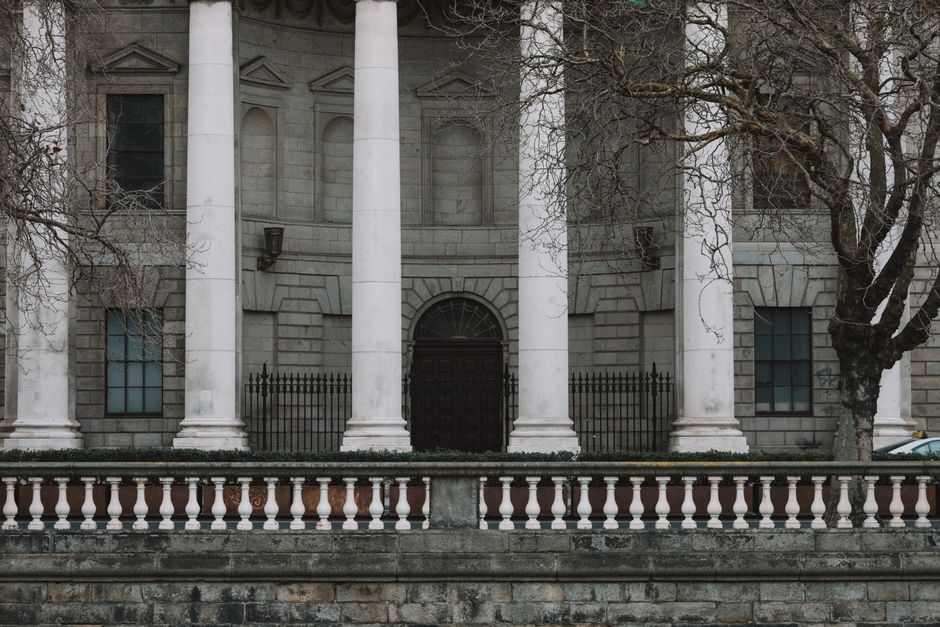
The Irish Supreme Court delivered three major constitutional decisions in the first half of 2026, signalling a busy autumn docket that will test the boundaries of state power, workers' rights, and access to housing. The decisions, handed down from the bench on Inns Quay, come as the court manages one of its heaviest caseloads in a decade.
What makes this year different is the sheer scope of what's at stake. Unlike previous years dominated by narrow technical disputes, the 2026 docket includes challenges to legislation passed during the pandemic emergency, a fundamental review of how Irish employment law handles zero-hours contracts, and a constitutional case about whether local authorities must guarantee housing access within specified timeframes. Each case touches on rights that affect thousands of ordinary people in Dublin and across the state.
The employment law case emerged from a dispute involving a worker in North Dublin who was dismissed after refusing additional hours on short notice. The Central Bank of Ireland, the Revenue Commissioners, and the Department of Enterprise, Trade and Employment all filed observations. The case hinges on whether the Unfair Dismissals Acts sufficiently protect workers in precarious arrangements. Dublin-based employment law firm McCann Fitzgerald has tracked similar disputes since 2022, identifying a sharp increase in zero-hours contract disputes brought to the Workplace Relations Commission.
The housing case carries even heavier implications. A plaintiff from Ballymun challenged Dublin City Council's failure to provide permanent accommodation within 18 months, as required under housing legislation passed in 2019. The court must decide whether the state has a positive constitutional obligation to ensure housing, or whether the current framework of "best endeavours" satisfies constitutional requirements. Dublin City Council's Housing and Community Services Directorate manages approximately 19,500 properties citywide, making any decision here a major operational matter.
The pandemic emergency powers case is technical but consequential. Legislation passed under the Health Act 1947, which gave ministers extraordinary powers to restrict movement and gatherings between 2020 and 2023, faces constitutional scrutiny. The question before the seven-judge court is whether the original legislation delegated too much power to the executive without adequate parliamentary oversight. The Office of the Attorney General has defended the provisions as temporary and necessary, while civil liberties groups argue they set a dangerous precedent for future emergencies.
The court's current docket includes 47 cases awaiting oral argument, according to the latest figures released by the Supreme Court office in Courthouse Square in June. That's higher than the comparable figure of 38 cases at the same point in 2025. The Chief Justice allocated two extra sitting days in September specifically to address the backlog, a move that suggests the court expects decisions in several high-profile cases to generate secondary appeals.
The employment case will be heard first, on September 12 at the Four Courts. That ruling will likely determine how the Workplace Relations Commission handles similar disputes in 2027, affecting decisions at its Wood Quay office, where mediators handle roughly 800 employment disputes annually. The housing case follows in October, with the pandemic powers case scheduled for November.
For practitioners, the implications are immediate. Employers using zero-hours contracts will be watching the September decision closely—law firms including A&L Goodbody and Eversheds Sutherland have already flagged that a broad ruling could trigger a wave of claims from workers dismissed between 2020 and 2024. Local authorities including Dublin City Council are preparing contingency budgets in case the housing judgment creates new statutory obligations. The pandemic powers decision will reset the legal framework for any future health emergency declared under the 1947 Act.
Lawyers can review the full hearing schedule on the Supreme Court website. Written judgments are typically published within three to six weeks of oral hearings. Anyone affected by zero-hours contract dismissals or housing access disputes can seek legal advice from the Law Society of Ireland's referral service or the Free Legal Advice Centres, which operate offices at Smithfield and in South Dublin.
This article was compiled by AI and screened before publishing. See our editorial standards.
How does this story make you feel?
Spread the word
About this article
Published by The Daily Dublin
Daily brief
Free, in your inbox before 7am. Weekdays.
More in courts