wellness
Dublin Locals Reveal 5 Hidden Nature Walks Tourists Never Find
While visitors queue for Grafton Street coffee and Ha'penny Bridge selfies, Dublin's regulars are lacing up their runners for something far better.
How we reported this
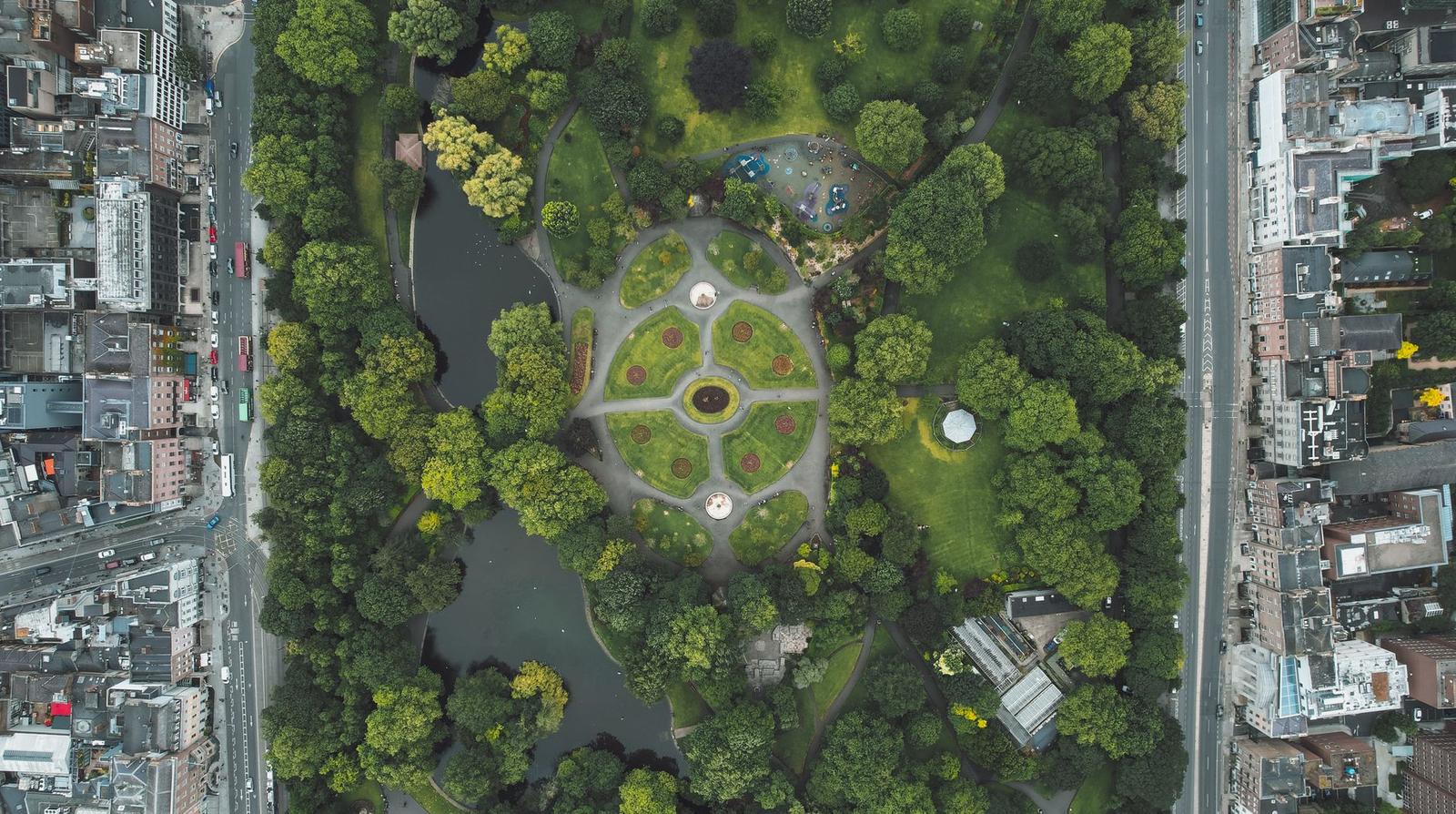
Dublin's most devoted walkers have a quiet agreement: don't tell the tour buses. On any given weekday morning, dozens of locals are already deep inside Corkagh Regional Park in Clondalkin, or threading through the wooded trails of St Catherine's Park along the River Liffey in Lucan, while the city centre's pavements are still damp and empty. These are not secret destinations exactly, but they function like secrets, conspicuously absent from most visitor itineraries and fiercely beloved by the people who live nearby.
The timing matters. With housing costs still pressing families further from the city core, the outer villages and suburbs that ring Dublin, Lucan, Rathfarnham, Clondalkin, Baldoyle, have seen a measurable surge in trail use over the past two years. Fingal County Council recorded a 34 percent increase in footfall across its coastal and woodland amenity areas between 2023 and 2025, a figure its parks office attributes partly to post-pandemic habit formation and partly to the simple fact that more people are now living closer to those trails. Getting outside has stopped being a weekend treat and become a daily ritual for a substantial slice of the population.
The Walks Worth Getting Up For
Corkagh Park covers 120 hectares on Dublin's south-west edge and is probably the city's most underrated green space. It has a functioning farm, a fishing lake, and a looping trail system that takes around 75 minutes at a reasonable pace. On a Tuesday at 7am it belongs to dog walkers and solo runners who nod at each other with the easy familiarity of regulars. The contrast with a Saturday afternoon in the Phoenix Park, technically magnificent, functionally a traffic problem, is stark.
St Catherine's Park in Lucan is a different proposition: narrower, wilder-feeling, with the Liffey running alongside for most of its length. South Dublin County Council upgraded the riverside path there in March 2025, resurfacing 2.4 kilometres of trail and installing new signage that links it to the broader Liffey Valley Park network. The upgrade cost €480,000 and has made the route accessible year-round, even after heavy rain. Locals from Lucan village walk it before school drop-off. Almost no tourist maps include it.
Further north, the Baldoyle-Portmarnock Greenway along the Baldoyle Estuary is drawing a different crowd, birdwatchers and early-morning swimmers making their way toward Velvet Strand in Portmarnock. Fingal County Council designated the estuary a Special Area of Conservation under the EU Habitats Directive, which has kept development at bay and the path genuinely quiet. The full loop from Baldoyle village to the strand and back runs about 8 kilometres.
Why the Regulars Keep Quiet
There is something protective in the way Dubliners talk about these places, or rather don't talk about them. The wellness culture here is active but not performative, people are doing the kilometres, they're just not hashtagging the route. Rathfarnham's Dodder Valley Linear Park is a good example. It follows the River Dodder from Firhouse through Tallaght and on toward the city, with sections shaded by mature oak and ash that make July heat genuinely manageable. Dublin City Council's 2024 Urban Biodiversity Report listed the Dodder corridor as one of the capital's most ecologically significant greenways, yet it rarely appears on any compiled list of Dublin tourist attractions.
For anyone wanting to find these spots, the practical advice is straightforward. Ordnance Survey Ireland's DiscoverIreland mapping app covers the Liffey Valley and Dodder trails in detail, and most routes are free to access with no booking required. South Dublin County Council and Fingal County Council both publish updated trail maps on their websites, the South Dublin one was refreshed in January 2026. Parking at Corkagh is free and operates from 8am daily. For Baldoyle, the DART to Baldoyle station puts you at the trailhead in under 30 minutes from Connolly.
The honest draw of all these places is not the infrastructure. It's the fact that on a Friday morning in early July, you can walk for an hour beside moving water and count the other people you pass on one hand. That is a specific and diminishing kind of luxury, and the people who have found it are not in any rush to share the coordinates.