community
When to visit Dublin: A seasonal guide to the city's best activities
From summer sea swims to winter light festivals, here's what to do and when to do it in Dublin, based on weather, crowds, and value.
Listen in English · 3 min
How we reported this
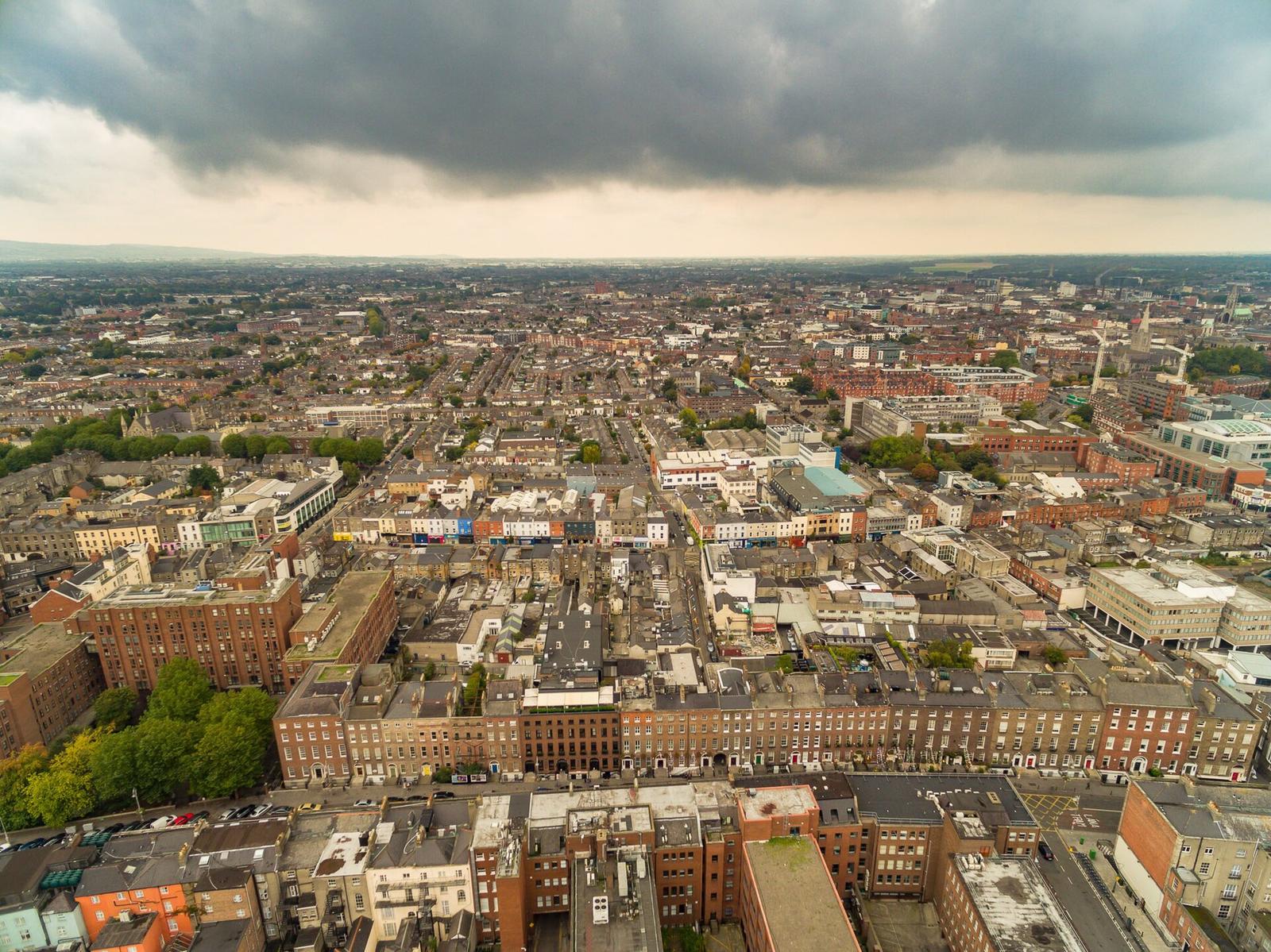
Dublin's peak season runs from June through August, when the city enjoys its longest days-daylight lasts until nearly 11 PM in late June, according to a guide from LoveDublin.org. That extra light opens up the coast for sea swimming, kayaking, surfing, and outdoor climbing, with water temperatures hitting their warmest at 14-16°C in August and September. But summer also brings the biggest crowds and the highest prices, especially from mid-July to mid-August, per tourism advice from TourismAttractions.net.
For travellers who want good weather without the crush, the shoulder seasons-late spring (May-June) and early autumn (September-October)-offer what several travel guides call the best balance of pleasant walking conditions, manageable crowds, and better value. The key is knowing what you want out of a trip and matching it to the season.
Spring and summer: outdoors and festivals
Spring (March to May) is when Dublin comes alive outdoors. Trails dry out, wildflowers bloom, and the hiking and cycling conditions improve significantly, according to CityUnscripted.com. April and May are typically the driest months of the year, the site notes, and lighter crowds make it easier to explore. The season kicks off with St. Patrick's Day in March, a major draw that fills the city but also signals the start of the festival calendar.
Summer remains the prime time for water sports. Water temperatures peak at 14-16°C, making the sea tolerable for swimming, kayaking and surfing. But the flip side is that mid-July through mid-August is described as crowd-heavy and pricier. Anyone visiting in those weeks should book accommodation and attractions well in advance.
Autumn and winter: culture and cosiness
Autumn (September to November) is an underrated sweet spot, according to UnitedTravels.ca. The water stays warm-ish from summer, crowds thin out, and the light on the mountains is beautiful. September brings Culture Night and the start of the Dublin Theatre Festival. October features the Bram Stoker Festival and Open House Dublin, which opens up historic buildings across the city.
Winter (December to February) is quiet and budget-friendly, ideal for cosy pub sessions, museum visits, and Christmas markets. A standout attraction is the Dublin Winter Lights festival, which runs throughout December with more than 25 illuminated installations across the city, per DublinEvents.com. Another beloved tradition: Christmas morning swims at the Forty Foot in Sandycove, a scene that draws locals and visitors alike.
For anyone planning a trip, the practical takeaway is clear. If you want the longest days and warmest water for outdoor adventure, aim for summer but be ready for crowds and cost. If you want good weather and fewer people, late spring or early autumn are your best bets. And if you're after cheap flights, quiet streets, and festive lights, winter delivers-just bring a warm coat.