lifestyle
Dublin's Parks Preserve Character Amid Urban Growth and Density
While global metropolises struggle to maintain open space, Dublin’s historical commitment to its public parks offers a rare balance of urban density and natural respite.
How we reported this
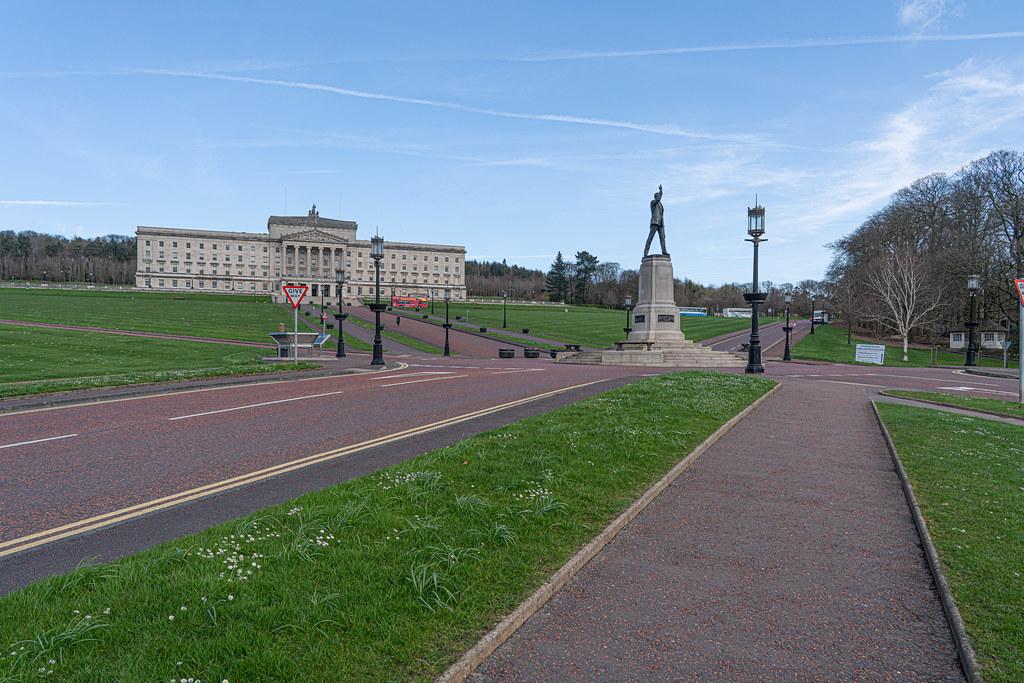
Dublin residents have long understood that the city’s heart beats as much in its manicured gardens as it does on Grafton Street. Unlike the sprawling, disconnected concrete hubs seen in many rapidly industrializing global centers, the Irish capital maintains a rare, permeable relationship between its Victorian-era architecture and its sprawling public green spaces. This connection provides a unique urban rhythm that prioritizes pedestrian access to nature despite the ongoing pressures of housing and commercial development.
The enduring design of the Dublin landscape
St. Stephen’s Green remains the premier example of this foresight, acting as a vital anchor for the city center. Managed by the Office of Public Works, this 22-acre site serves not just as a tourist destination, but as a functional relief valve for those working in the professional districts of Leeson Street and Merrion Row. The park’s layout preserves a Victorian design that emphasizes sightlines and ornamental lakes, effectively muting the surrounding traffic noise and providing a psychological boundary between the frantic pace of the city and the calm within.
Further west, Phoenix Park represents a different approach to municipal planning that is largely unmatched by other European capitals. Spanning a vast area that encompasses the official residence of the President of Ireland, Áras an Uachtaráin, the park offers a scale of wilderness that is increasingly rare in 21st-century city planning. The park is home to a wild fallow deer herd, an entity managed under historical statutes that date back centuries, ensuring that large-scale nature remains a permanent fixture of the Dublin landscape rather than a temporary aesthetic addition.
Practical access and the value of urban green space
Access to these spaces is a cornerstone of Dublin City Council’s current development strategy, particularly as the city faces rising property demand. According to data published in the Dublin City Development Plan, the city maintains over 1,500 hectares of public open space, ensuring that the vast majority of residential units are within a short walking distance of a managed green area. This commitment to maintenance is evident in the ongoing floral displays in Iveagh Gardens, where the local authority has focused on preserving biodiversity amidst the city’s densest neighborhoods.
For those looking to engage with these spaces this summer, local civic groups suggest utilizing the Dublin Bikes scheme for park-to-park travel. The connectivity between the Grand Canal, which offers a linear corridor for commuters and leisure users alike, and the larger parks provides a framework for traversing the city entirely by greenways. As the summer season continues through July, visitors and residents are encouraged to monitor the Office of Public Works portal for updates on seasonal gate hours and scheduled community events, as these spaces continue to serve as the primary host for outdoor cultural gatherings.