community
Dublin Public Transport Guide 2026: Bus, Tram, Train
Navigate Dublin's expanded transport network in 2026. Learn how to use the Leap Card, compare buses, Luas trams, and DART trains with money-saving tips.
How we reported this
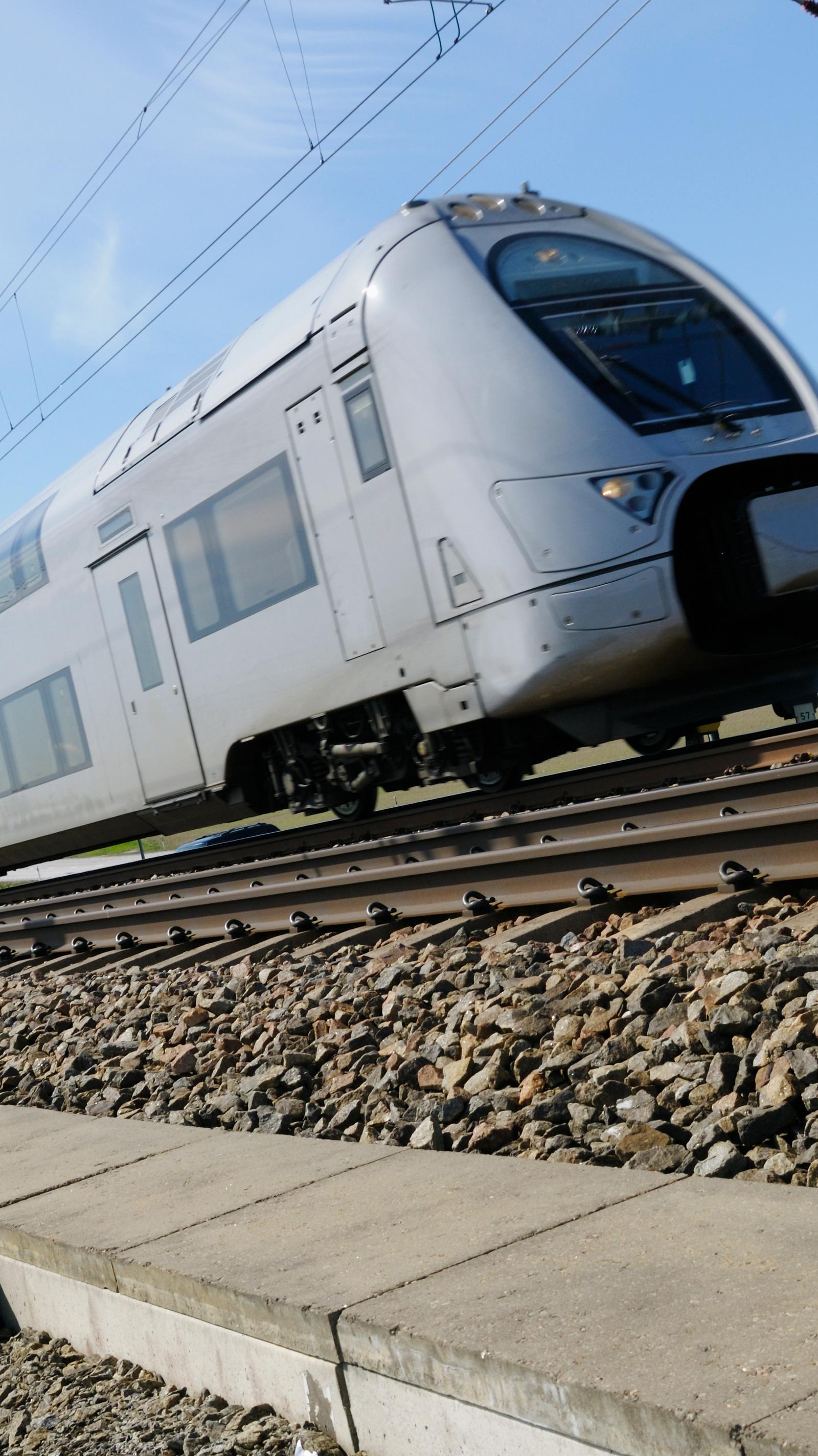
Dublin's transport network has historically lagged behind comparable European capitals but is undergoing significant expansion as part of the National Development Plan 2021-2030 and the Greater Dublin Area Transport Strategy. Here is everything you need to know to get around efficiently.
Leap Card
The Leap Card is Dublin's rechargeable smartcard, valid on Dublin Bus, Luas tram, DART rail, Go-Ahead Ireland services, and most commuter rail routes. Fares are significantly cheaper than cash; a standard 90-minute bus fare is €2.00 with a Leap Card versus €3.80 cash. Daily caps of €5.00 and weekly caps of €25.00 apply. The Leap Card is available from newsagents, supermarkets, and the Dublin Airport terminal. Top up online, via the TFI app, or at machines across the network.
Dublin Bus
Dublin Bus operates an extensive network covering the city and suburbs, with newer electric and hybrid vehicles replacing older diesel fleet. Real-time departure information is available on the TFI (Transport for Ireland) app and at bus stops with electronic displays. Night buses (Nitelink) operate on Friday and Saturday nights on major routes.
Luas Tram
The Luas operates two cross-city lines connecting the city centre with suburban areas. The Red Line runs from Saggart and Tallaght in the southwest through the city centre to The Point in the east. The Green Line connects St Stephen's Green in the city centre with Brides Glen in the southeast, with stops including Dundrum, Sandyford, and Leopardstown. The Luas Cross City extension connects both lines through the city centre. Services run from approximately 5:30am to 12:30am Monday to Saturday and 7:00am to 11:30pm Sunday.
DART
The Dublin Area Rapid Transit (DART) is an electrified suburban rail line running along Dublin Bay from Malahide and Howth in the north to Greystones in County Wicklow in the south. It serves key coastal suburbs including Clontarf Road, Killester, Raheny, Sutton, Portmarnock (on the Malahide branch), and Bray. Journey time from Connolly Station to Bray is approximately 45 minutes.
Dublin Bikes
Dublin Bikes operates more than 115 docking stations and 1,650 bikes across the city centre. The first 30 minutes of any trip are free with a registered Dublin Bikes card (€3.50 annual registration). The scheme is ideal for short hops across the city centre and is well-integrated with public transport hubs.
Driving
Driving in Dublin city centre is discouraged by restricted parking, congestion charges, and an extensive network of bus lanes. The M50 ring road provides access to outer suburbs and intercity routes. Speed limits are 50 km/h in built-up areas, 100 km/h on national roads, and 120 km/h on motorways. Australians can drive on an Australian licence for up to 12 months after becoming resident in Ireland.
BusConnects
The NTA's BusConnects programme is redesigning Dublin's entire bus network with new spine routes, core orbital routes, and enhanced cycle infrastructure. Phased rollout began in 2023 and continues through 2026, with some disruption to existing routes during transition periods.