culture
Abbey Theatre: The Facade and Story of Ireland's National Theatre
Founded by W.B. Yeats and Lady Gregory in 1904, the Abbey is Ireland's national theatre. Here is its history and how to catch a show.
Listen in English · 3 min
How we reported this
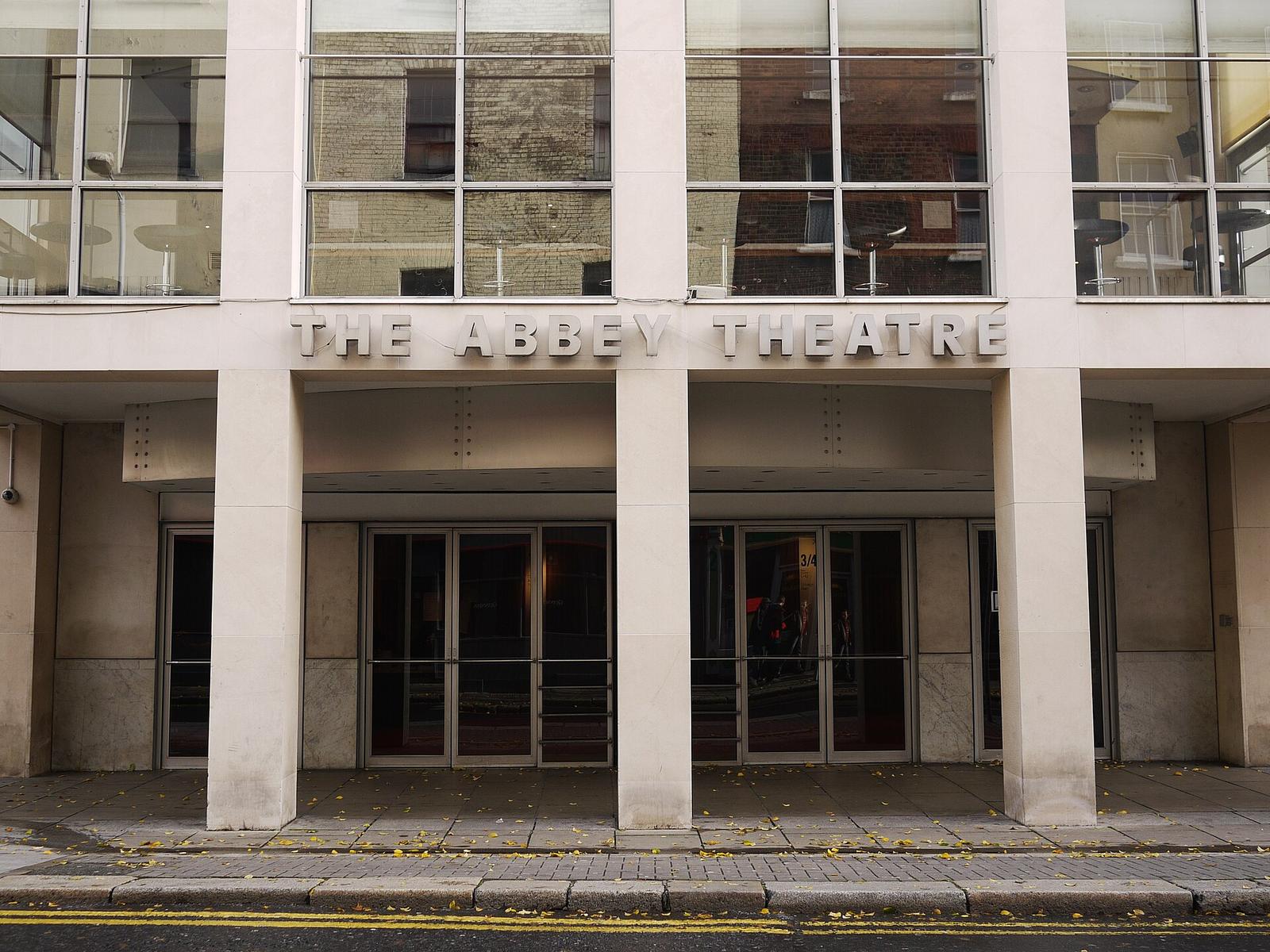
The Abbey Theatre is Ireland's national theatre, founded in 1904 by W.B. Yeats and Lady Augusta Gregory along with other figures of the Irish literary revival. From the start it set out to stage Irish work and to give voice to Irish writers, and it has remained central to the country's theatrical life for more than a century.
A place in Irish cultural history
The early decades of the Abbey were closely tied to the cultural movements that shaped modern Ireland. It premiered plays by writers such as J.M. Synge and Sean O'Casey, some of which provoked strong public reaction in their day. The original building was destroyed by fire in 1951, and the theatre now occupies a later building on Abbey Street in the city centre.
What is on today
The Abbey stages a year-round programme that mixes new Irish writing with revivals of classic plays and occasional international work. Its programme is often connected to national conversations, and it runs work developing new playwrights and artists. The smaller Peacock stage within the same building is used for more intimate and experimental productions.
Booking and visiting
Tickets can be booked through the Abbey's official website, and the theatre offers reduced prices for previews, older audiences, students and those under a certain age. Because popular runs sell out, booking ahead is advisable. The theatre is a short walk from O'Connell Street and is well served by Luas and bus routes.
Why it matters
For visitors interested in Irish literature and drama, an evening at the Abbey connects directly to a living tradition. For Dubliners, it remains a national institution that continues to premiere the work of contemporary Irish writers.